Nestled between the Andes Mountains and the Amazon Rainforest, this iconic archaeological wonder experiences a unique subtropical climate. At 2,400 meters above sea level, temperatures here stay mild year-round, averaging between 12°C (54°F) and 24°C (75°F). The blend of highland elevation and rainforest proximity creates dynamic weather patterns every traveler should understand.
Rain showers occur daily, even during the drier months from April to September. While these brief light rain periods rarely disrupt exploration, the October-March rainy season brings heavier downpours. Morning clouds often clear by midday, offering improved visibility for panoramic views of ancient stonework against lush peaks.
Strategic timing enhances visits significantly. Dry-season travelers enjoy sunnier days with cooler mountain winds, while rainy months reveal vibrant greenery. Our guide details how to navigate microclimates, pack for sudden changes, and align adventures with forecast trends.
Key Takeaways
- Elevation and rainforest proximity create mild temperatures (12°C–24°C)
- Two distinct seasons: dry (April–September) and rainy (October–March)
- Brief rain showers occur daily, even in drier months
- Morning clouds often lift by afternoon for clearer views
- Wind patterns vary between seasons, affecting trail conditions
Understanding Machu Picchu Climate and Seasons
The region’s subtropical climate emerges from a fascinating geographic dance. Elevation gradients collide with moisture-rich airflows from nearby rainforests, creating stable temperatures year-round. These natural forces ensure mornings often begin with misty veils that gradually reveal sunlit terraces.
Rainfall Rhythms Across the Year
Brief showers occur like clockwork, even during drier months. These light rain episodes typically last under an hour, leaving trails refreshed and air crisp. From October onward, downpours intensify, transforming stone pathways into glistening mirrors of the citadel’s history.
Sunlit Days Versus Cloudburst Seasons
April through September brings clear skies perfect for panoramic photography. Key features:
- Consistent daytime temperatures around 20°C (68°F)
- Cool mountain winds that strengthen by afternoon
- Minimal cloud obstruction for 80% of daylight hours
When rains dominate, humidity rises alongside visibility challenges. Yet these months reward visitors with emerald landscapes rarely seen in drier times. Guides often adjust hiking schedules based on real-time forecast updates, ensuring safety during sudden weather shifts.
Machu Picchu Weather Month by Month
Planning your visit to this ancient wonder requires aligning with its rhythmic weather cycles. Each month brings distinct atmospheric shifts that shape trail conditions, crowd levels, and photographic opportunities. Below, we decode seasonal nuances to help travelers match their preferences with ideal timing.
Highlights of Seasonal Trends from January to December
January–March delivers heavy rainfall (18°C average), with daily downpours creating slippery paths. Though humidity peaks, these months reveal waterfalls at their most dramatic. By late March, light rain becomes intermittent as trails reopen.
April–June marks the shoulder season. Daytime temperatures hover near 20°C with brief scattered showers. Mornings may start cloudy, but afternoons often clear for unobstructed views. This window balances manageable crowds with reliable visibility.
July–September sees peak tourist influx. Crisp 15°C days offer sunlit exploration, though afternoon winds intensify. Early arrivals beat both crowds and cloud cover—critical for photographing sunrise over the ruins.
October–December transitions back to rain. November’s intermittent showers refresh landscapes without disrupting hikes. By December, heavier precipitation returns, but mornings frequently provide dry hours for exploration.
Tourist Influx and Weather Dynamics
Dry-season months (June–August) attract 60% of annual visitors, requiring advanced bookings. Savvy travelers target April-May or September-October for thinner crowds and mild conditions. “Shoulder seasons let you witness the site’s beauty without the jostling,” notes a local guide.
Key events influence traffic patterns:
- Inti Raymi (June): Sunny days draw festival-goers, raising accommodation costs
- Trail closures (February): Reduced access decreases visitor numbers
While forecasts help plan daily itineraries, packing layers ensures comfort during rapid shifts from misty dawns to breezy afternoons.
Preparing for Machu Picchu: Essential Packing and Planning Tips
Smart preparation transforms a visit to this Andean marvel into a seamless adventure. Whether exploring under crisp dry-season skies or navigating misty trails, the right gear ensures comfort and safety. Below, we break down must-have items and strategies for both seasonal extremes.

Sun Protection and Layering Strategies
During drier months, the high-altitude sun demands vigilance. Key items include:
- SPF 50+ sunscreen for frequent reapplication
- Lightweight layers like moisture-wicking shirts and fleece jackets
- Wide-brimmed hats and UV-blocking sunglasses
Mornings often start chilly (10°C) before warming to 20°C by midday. A breathable windbreaker tackles afternoon winds effectively.
Storm-Ready Gear for Wet Months
Rainy season explorers need waterproof defenses:
- Quick-dry pants and sealed-seam rain jackets
- Grippy hiking boots for slippery stone paths
- Compact umbrellas for sudden showers
Pack silica gel packets in bags to combat humidity. “Check hourly forecasts each morning,” advises a local trekking guide. “Light rain often pauses around noon, creating ideal visibility windows.”
All visitors should carry:
- Insect repellent for sunlit days
- Reusable water bottles with purification tablets
- Ziplock bags for protecting electronics
By aligning your kit with seasonal patterns, you’ll spend less time adjusting gear and more time absorbing the site’s magic.
machu picchu weather Impact on Tours and Daily Activities
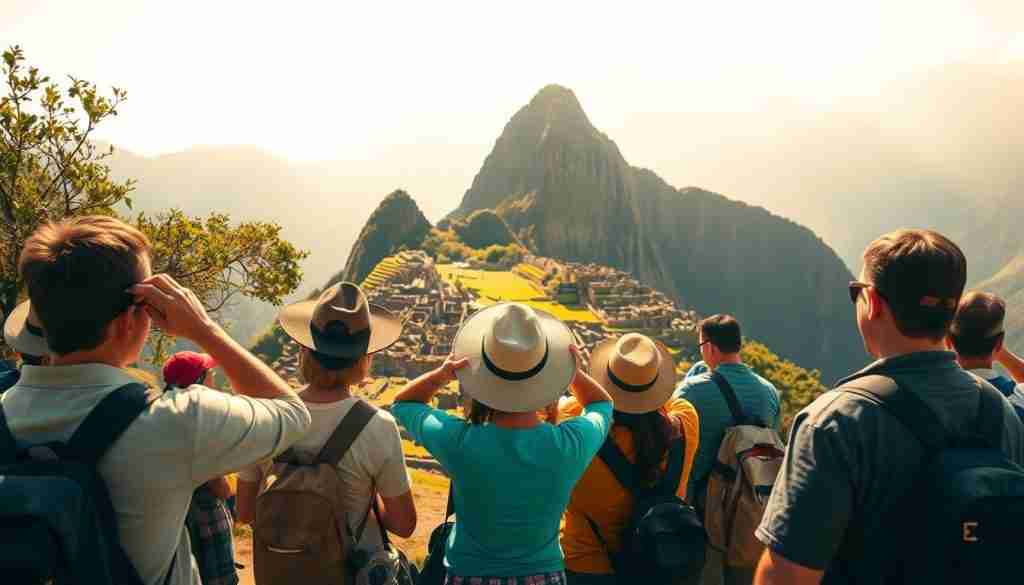
Exploring this UNESCO World Heritage Site demands flexibility as shifting skies transform trails and vistas hourly. Guides frequently adjust routes based on real-time cloud movements and precipitation patterns to maximize visitor safety and enjoyment.
Visibility, Photography, and Scenic Views
Morning fog often obscures iconic viewpoints, but patient travelers catch magical moments when clouds part unexpectedly. Photographers should:
- Use soft light during light rain for vibrant greenery shots
- Avoid midday sun that creates harsh shadows on ancient stonework
- Capture reflections on wet pathways after brief showers
| Condition | Photography Tip | Optimal Time |
|---|---|---|
| Overcast | Use polarizing filter | Late morning |
| Sunny | Shoot during golden hour | Dawn/Dusk |
| Misty | Focus on foreground details | Midday clearing |
Schedule Adjustments for Unpredictable Conditions
Tour operators often shift start times by 1-2 hours when heavy rain impacts trail safety. A local expert notes: “We monitor forecast updates hourly during wetter months—flexibility ensures guests don’t miss key sites.”
Essential adaptation strategies:
- Book morning entry tickets for clearer visibility
- Pack waterproof gear even on sunny days
- Check trail status apps before departing
Sudden winds may close high-altitude paths temporarily. Travelers gain richer experiences by embracing nature’s spontaneity rather than fighting it.
Conclusion
Mastering the rhythms of this Andean treasure’s climate transforms a simple trip into an unforgettable journey. Between mild temperatures (12–24°C) and distinct seasons, every day offers unique opportunities for exploration. Strategic preparation ensures travelers thrive whether navigating brief showers or basking in golden-hour light.
Dry months reward visitors with crisp air and reliable trails, while rainy periods paint the ruins in vibrant greens. Packing layered clothing and waterproof gear bridges these seasonal contrasts seamlessly. Our guide’s insights empower adventurers to align their time with ideal conditions, whether capturing mist-kissed dawns or avoiding afternoon winds.
Understanding how light rain enhances photography or how sudden clouds shift visibility transforms challenges into advantages. Trustworthy forecast tools and flexible itineraries unlock the site’s full potential, rain or shine.
Let this knowledge shape your journey through ancient stone pathways. For tailored planning assistance or deeper cultural insights, explore our expert-curated resources—your gateway to a flawlessly timed Machu Picchu experience.


