Peru is a place of wonder, with landscapes, cultures, and adventures to discover. It’s home to famous sites like Machu Picchu and the Amazon Rainforest. Our guide to the top attractions in Peru shows why it’s a top choice for travelers.
Peru’s varied terrain offers many experiences. You can hike ancient trails, visit lively cities, meet remote communities, and see stunning natural sights. No matter your interests, Peru has something special for you.
Peru’s beauty is vast and varied. From the coast to the Andes and the Amazon, each place shows a different side of the country. It’s a journey into Peru’s rich heritage and natural wonders.
Key Takeaways
- Peru offers unparalleled diversity in landscapes and cultural experiences
- Top attractions range from ancient archaeological sites to natural wonders
- Travelers can explore multiple ecosystems within a single trip
- Cultural immersion opportunities are abundant throughout the country
- Peru provides exceptional experiences for adventure and history enthusiasts
Discovering the Wonders of Machu Picchu
Machu Picchu is a stunning site in the Andes Mountains. It shows the Inca civilization’s amazing building skills. It’s 80 kilometers northwest of Cusco and is known for its beautiful views and history.
The History Behind the Inca Citadel
The Inca Trail takes you to Machu Picchu, a site that has amazed explorers for years. Built in the 15th century, it sits at 2,430 meters (7,972 feet) high. It’s a UNESCO World Heritage site, covering 32,592 hectares, and shows the Inca Empire’s engineering talent.
“Machu Picchu is not just a place, it’s a journey through time and human achievement.”
Hiking Inca Trail: What to Expect
- Classic 4-day trek spanning 43 kilometers (26 miles)
- Short Inca Trail option of 13 kilometers (8 miles)
- One of the world’s top 10 hiking experiences
| Trail Type | Distance | Duration |
|---|---|---|
| Classic Inca Trail | 43 km | 4 days |
| Short Inca Trail | 13 km | 2 days |
Photography Tips for Your Visit
Photography at Machu Picchu needs planning. There are only 800 spots for Machu Picchu Mountain and 400 for Huayna Picchu hikes each day. The best times for photos are early morning or late afternoon when the soft light highlights the ancient stones.
Visitors can explore this incredible site, one of the New Seven Wonders of the World since 2007. It offers a memorable trip through Peru’s history and nature.
Exploring the Sacred Valley of the Incas
The Sacred Valley lies between Cusco and Machu Picchu. It’s a journey through Inca history and stunning landscapes. This area, about 60 kilometers long, is a mix of culture and nature that draws visitors worldwide.
This valley is a treasure of both geography and culture. It’s home to 65,000 people, living at elevations from 6,730 to 9,800 feet. They keep their Inca heritage alive.
Best Towns to Visit in the Sacred Valley
- Pisac: Known for its impressive archaeological sites and vibrant markets
- Ollantaytambo: A living Inca town with remarkable historical preservation
- Urubamba: A central hub for travelers with diverse cultural experiences
- Chinchero: Famous for traditional textile production and Sunday markets
Cultural Experiences in Ollantaytambo
Ollantaytambo is a marvel of Inca engineering and culture. This town is a key stop for those going to Machu Picchu. It offers a deep dive into Inca history.
Food and Market Highlights
The markets in the Sacred Valley are lively and full of local tastes. You can see the area’s rich agriculture firsthand.
| Market Location | Market Days | Notable Features |
|---|---|---|
| Pisac | Sunday, Thursday | Colorful textiles, local crafts |
| Chinchero | Sunday | Traditional weaving, local produce |
“The Sacred Valley is not just a destination, but a living museum of Inca culture and natural splendor.”
Visit during the dry season (June-August) for the best weather. This way, you can fully enjoy the Sacred Valley.
Unveiling Cusco’s Rich Culture
Cusco sits high in the Andes, showcasing Peru’s rich culture. Once the Inca Empire’s capital, it offers a journey through time. Here, history and traditions blend beautifully.
Travelers in Cusco dive into a cultural adventure spanning centuries. The city’s mix of indigenous and colonial influences makes it a unique place for cultural exploration.
Top Museums to Explore in Cusco
Cusco has many museums that highlight its history. Art and history lovers will find amazing collections here:
- Inca Museum: Over 500 Inca artifacts
- Pre-Columbian Art Museum: Ancient Andean artworks
- Religious Art Museum: Colonial-era art
Architectural Marvels of Cusco
The city’s buildings tell a story of cultural mix. You’ll see Inca stonework and Spanish design in Cusco’s streets.
| Architectural Site | Historical Significance |
|---|---|
| Qorikancha (Temple of the Sun) | Most significant spiritual center of the Inca Empire |
| Plaza de Armas | Central historical square with colonial architecture |
| San Blas Neighborhood | Renowned for traditional artisan workshops |
Festivals and Events in Cusco
Cusco’s calendar is full of lively festivals. These events offer a deep dive into local traditions:
- Inti Raymi Festival: Celebrates the Inca Festival of the Sun with 50,000 visitors
- Corpus Christi: Parades of 15 local saints
- Annual Cultural Festivals: Traditional music, dance, and crafts
“Cusco is not just a destination, it’s a living museum of Peruvian history and culture.” – Local Cultural Historian
With nearly 2 million tourists each year, Cusco continues to enchant. It’s a place of rich culture and history.
Adventuring in the Amazon Rainforest
Peru’s Amazon rainforest is a journey into the world’s most biodiverse places. It covers over 60% of Peru, full of wildlife, cultures, and stunning landscapes.
The Amazon is a dream for nature lovers and adventurers. Iquitos is the best place to. It offers unique jungle experiences that connect you to the heart of the Amazon.
Top Tours for Wildlife Enthusiasts
Wildlife tours in the Amazon are unforgettable. You’ll see amazing animals:
- Blue & Gold Macaw sightings: 78% chance
- Scarlet Macaw encounters: 79% probability
- Red Howler Monkey observations: 77% likelihood
Sustainable Eco-Lodges in the Amazon
| Eco-Lodge | Location | Key Features |
|---|---|---|
| Tambopata Research Center | Tambopata National Reserve | Macaw conservation, minimal environmental impact |
| Refugio Amazonas | Puerto Maldonado | Community-supported, organic architecture |
Cultural Interactions with Indigenous Communities
The Amazon is home to tribes like the Ashaninka and Shipibo. They offer authentic cultural experiences. These communities live sustainably, showing us how to live with nature.
“The Amazon is not just a forest, it’s a living, breathing world waiting to be discovered.” – Peruvian Naturalist
With 20% of the world’s oxygen coming from here, visiting the Amazon is more than a trip. It’s a chance to connect with nature and change yourself.
Lake Titicaca: The World’s Highest Navigable Lake
Lake Titicaca is a stunning natural wonder in the Andes Mountains. It attracts travelers with its beauty and cultural importance. Adventurers seek it out for its unique. It offers a journey through nature and indigenous traditions.
- World’s highest navigable lake at 12,500 ft (3,810 m)
- Surface area of 8,372 km²
- Average depth of 107 meters
- Home to over 530 aquatic species
Visiting the Floating Islands of Uros
The Uros Floating Islands are a cultural wonder. Made from totora reeds, they let indigenous communities live on the lake. Visitors can see these unique settlements and learn about traditional lifestyles.
Cultural Significance of Taquile Island
Taquile Island is known for its textiles. UNESCO has recognized its cultural heritage. The island’s people weave stunning textiles that show their cultural roots.
| Island Details | Characteristics |
|---|---|
| Population | Approximately 2,200 residents |
| UNESCO Recognition | Intangible Cultural Heritage (2005) |
| Primary Economic Activity | Traditional textile production |
Activities to Enjoy at Lake Titicaca
There are many things to do at Lake Titicaca. You can take boat rides, hike, and meet local communities. The best time to visit is from April to November, when the weather is dry.
“Lake Titicaca is not just a destination, it’s a journey through living history and breathtaking natural beauty.”
Discovering the Nazca Lines
Peru’s desert is home to the Nazca Lines, a mysterious treasure. These ancient drawings are etched into the desert floor. They stretch for 175 square miles, showing human creativity and skill.
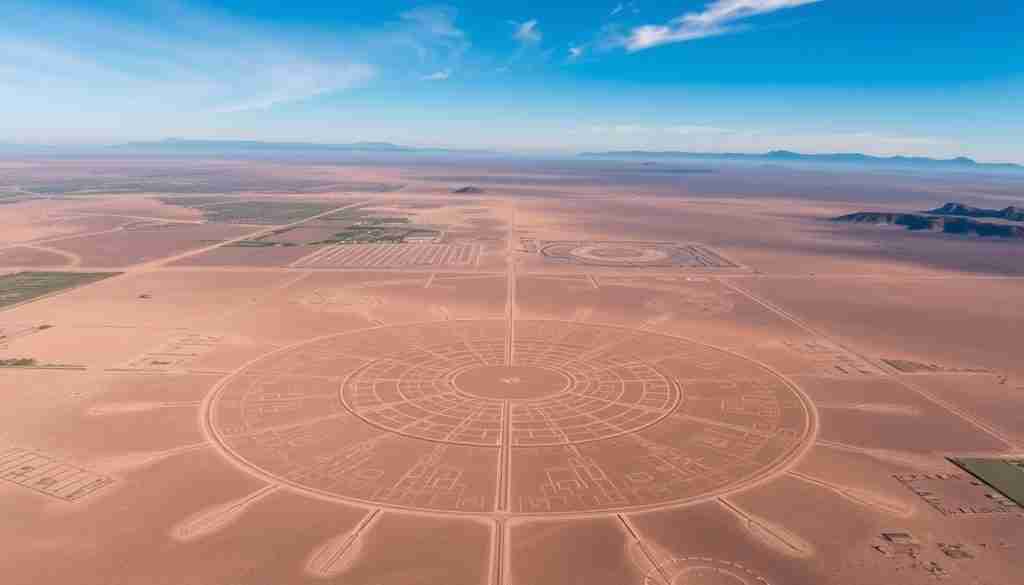
The Nazca Lines are a mystery that attracts adventurers worldwide. Made between 500 B.C. and 500 A.D., they feature over 800 designs. Some designs are as long as 1,200 feet.
How to Take a Nazca Lines Tour
Visitors have several ways to see the Nazca Lines:
- Aerial tours via small aircraft
- Observation Tower (Torre Mirador) viewpoint
- Guided ground expeditions
Daily flights offer a unique view of the geoglyphs. Each 75-minute tour has 10-12 seats, so everyone gets a good view.
Theories Behind the Nazca Lines
“The Nazca Lines are more than just drawings—they are a complex narrative waiting to be understood.” – Archaeological Research Institute
Many theories exist about the Nazca Lines’ purpose. Some say they are:
- Astronomical calendars
- Religious ceremonial pathways
- Communication with extraterrestrial beings
- Water-related ritual sites
Best Viewing Points for Sightseeing
For a memorable visit, check out these spots:
- Observation Tower: 43 feet high, located 12.5 miles north of Nazca city
- Mirador Lookout Point
- Chartered flight routes
The Nazca Lines, a UNESCO World Heritage site since 1994, show an ancient civilization’s skill and art.
The Colca Canyon: A Natural Wonder
Colca Canyon is in the heart of Peru and is a stunning natural wonder. It’s almost twice as deep as the Grand Canyon, reaching 3,400 meters. It’s perfect for hiking, seeing wildlife, and learning about local cultures.
Hiking Trails and Experience Levels
The Colca Canyon has trails for everyone, from easy walks to tough multi-day hikes. Here’s what you can expect:
- Beginner-friendly routes near Chivay
- Intermediate trails spanning 20km (12.5 miles)
- Advanced treks involving significant vertical descents
Spotting the Andean Condor
Wildlife lovers will love seeing the Andean condor. The Cruz del Condor viewpoint is the best place to see these huge birds. They can have wingspans up to 3 meters.
| Condor Viewing Details | Information |
|---|---|
| Best Viewing Location | Cruz del Condor Viewpoint |
| Ideal Time | Sunrise |
| Condor Wingspan | Up to 3 meters (10 feet) |
Cultural Highlights of the Colca Region
The Colca Canyon is not just beautiful; it’s also rich in culture. You can visit places like Chivay and Yanque. There, you’ll see ancient terraces and learn about local traditions.
“The Colca Canyon isn’t just a landscape; it’s a living museum of natural beauty and cultural tradition.” – Peruvian Travel Experts
Planning a trip to the Colca Canyon needs some thought. Prices vary from $50 for a day trip to $80 for two days. The best time to visit is May to September, when it’s dry.
Lima’s Gastronomic Delights
Peru’s capital city, Lima, is a food lover’s dream. It attracts visitors from all over the world. Lima is known for its amazing food scene, mixing local traditions with global flavors.

Must-Try Dishes in Peruvian Cuisine
Peruvian food is full of flavors that show the country’s rich culture. When you visit Peru, make sure to try these famous dishes:
- Ceviche: Fresh raw fish marinated in citrus juices
- Lomo Saltado: A classic Peruvian-Chinese fusion stir-fry
- Ají de Gallina: Creamy chicken dish with unique spices
- Causa Rellena: Layered potato dish with various fillings
Top-rated Restaurants in Lima
Lima is home to some of the world’s best restaurants. They showcase Peru’s culinary creativity. Here are some places you must visit:
| Restaurant | Cuisine Type | Global Ranking |
|---|---|---|
| Central | Peruvian Contemporary | World’s Best Restaurant |
| Maido | Nikkei Cuisine | Top 5 Global Restaurant |
| La Mar | Cevicheria | Internationally Recognized |
Food Tours for Culinary Adventurers
Lima has amazing food tours for those who love to explore new tastes. These tours let you see local ingredients, cooking methods, and cultural traditions.
“Lima is not just a destination; it’s a flavor journey that captures the essence of Peruvian culture.” – Culinary Traveler Magazine
About 40% of visitors try traditional dishes. And three Lima restaurants are on the World’s 50 Best Restaurants list. Lima is becoming a top spot for food lovers worldwide.
The Historic City of Arequipa
Arequipa is a stunning city in southern Peru, known as the White City. This amazing city is famous for its beautiful buildings made from white volcanic rock called sillar.
Arequipa has a rich history of over 483 years. Its buildings are made from sillar, a white volcanic stone. This stone gives the city its nickname and makes it look incredible.
Architectural Treasures of Arequipa
The city’s buildings are truly amazing. You can see over 500 European-Andean colonial mansions. These mansions are known for their detailed designs and historical importance.
- Plaza de Armas – the central meeting point for locals and tourists
- Yanahuara district – located a short walk from the city center
- Stunning colonial-era churches with intricate facades
Exploring Santa Catalina Monastery
The Santa Catalina Monastery is a remarkable sight. It covers over 20,000 square meters. Inside, you can see what life was like in colonial times, with its colorful walls and detailed design.
“Arequipa is not just a city, it’s a living museum of volcanic stone and colonial history” – Local Tour Guide
Local Markets to Experience in Arequipa
Arequipa’s local markets are a true cultural experience. The San Camilo Market is lively, with lots of food to try. You can taste local dishes like:
- Shrimp Chupe – a signature seafood dish
- Ocopa arequipeña – a versatile local appetizer
- Adobo arequipeño – a traditional hearty meal
Arequipa is a city with a rich history, beautiful buildings, and a lively culture. It offers travelers an unforgettable trip through Peru’s White City.
Why You Should Visit Peru in 2025
Peru is a top choice for travelers looking for amazing experiences. In 2025, it offers a mix of ancient sites and stunning nature. It’s perfect for those who love history and nature.
2025 sees a big push for eco-tourism, with Manu National Park being the most biodiverse place. You can explore the Amazon, meet indigenous people, and help with conservation. It’s great for those who care about the environment and want to see unique cultures and nature.
Upcoming Events and Festivals
Peru’s festival calendar in 2025 is exciting for culture lovers. Inti Raymi, the Inca sun festival, draws visitors worldwide. It’s a chance to dive into Peru’s traditions through music, dance, and history.
Travel Tips for Visitors Planning Ahead
Planning well is essential to see Peru’s best spots. The dry season, from May to October, is best for places like Machu Picchu. If you’re on a budget, consider May or October for good weather and fewer people.
2025 is set to be an incredible year for adventures in Peru. You can hike the Inca Trail, see the Nazca Lines, or explore Lake Titicaca. It’s a year full of unforgettable experiences.


